The Best Work Outlives the Consultant
A note came in this week from the director of a mission hospital on the other side of the world. It wasn’t a lead or a status update — it was a thank-you. And it told a story worth passing on: not for anything we did, but for what he and his team did after we were gone.
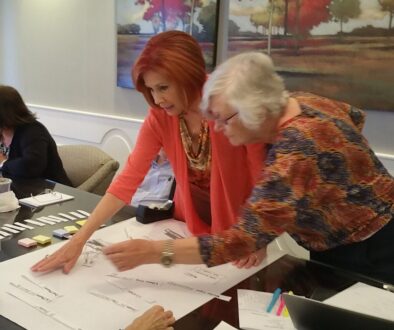
A while back we spent a little time there helping them stand up a few improvement projects. Nothing exotic — a simple X Matrix, a handful of SMART goals, the priorities named, the work given a structure. Then we left.
What the letter described is what happened next. On their own, those few projects grew into something larger. The team recently ran their own strategic-planning session — “bringing together colleagues and key members of our hospital team to collectively reflect on the hospital’s present situation and future direction.” They walked their strengths, weaknesses, opportunities and threats. It was, as the director put it, a chance for “colleagues from different departments to share their perspectives, identify important challenges, and contribute ideas about how we can strengthen the hospital in the years ahead.”
Then came the part that matters most. They decided they had outgrown one-off projects — “the recognition of the need to move beyond individual improvement projects and develop a more comprehensive, institutional five-year strategic plan.” No consultant in the room. No invoice. Just a team that had learned to think strategically and kept going.
The director put the whole arc in one line: “What began as an effort to identify and implement key improvement projects has gradually helped us develop a broader vision for the future of our hospital.”
That is the whole game — and it is the part most leaders get backwards.
The most powerful instruction you can give your team isn’t how. It’s what. When you walk the business and see a number that has to move, you rarely need to design the fix yourself, or even be in the room for it. Say what the result needs to be. Your people are smart; give them the target and the room to work, and they will find the path.
One of the best ways to open that door is a single question: under what conditions would it be possible to ___? It takes “we can’t” off the table and puts the team to work on the conditions instead.
Because no organization bumbles its way to excellence. Excellence gets chosen, named, and handed to capable people — and then it compounds, often long after you have moved on.
If you train or consult for a living, that is the work that matters most: the kind that keeps running after you leave, that you never get credit for, because by then it belongs to them. And if you own or run the place, your highest-leverage move usually isn’t solving the problem. It is being clear about what “better” looks like — and trusting the smart people you already employ to go get it.
A hospital half a world away just proved it again. Tell them what. Let them show you how.